
 NETWORKING
›
NETWORKING
›
 CLOUD PLATFORM
›
CLOUD PLATFORM
›
 CYBER SECURITY
›
CYBER SECURITY
›
 ENDPOINT SECURITY
›
ENDPOINT SECURITY
›
 DATA SECURITY
›
DATA SECURITY
›
 SPECIFICATION
›
SPECIFICATION
›
 IDENTITY & ACCESS MANAGEMENT
›
IDENTITY & ACCESS MANAGEMENT
›
 SERVER AND DEVICE
›
SERVER AND DEVICE
›
 SERVE & SERVICE
›
SERVE & SERVICE
›
 DESIGN & OFFERING NETWORK SYSTEM
›
DESIGN & OFFERING NETWORK SYSTEM
›
NETWORKING
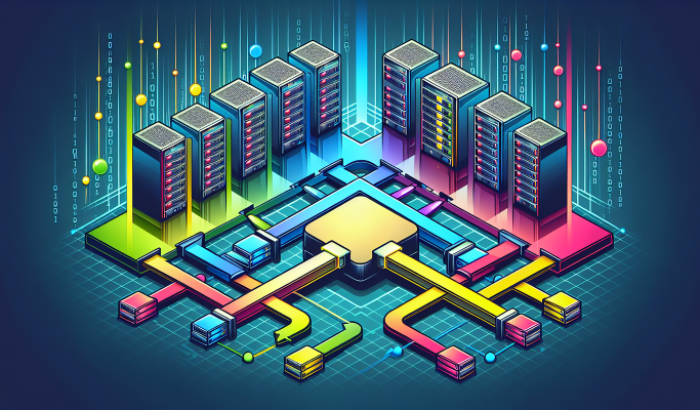
Network หรือระบบเครือข่าย คือ การเชื่อมต่อคอมพิวเตอร์หรืออุปกรณ์สื่อสารตั้งแต่ 2 เครื่องขึ้นไปเข้าด้วยกัน เพื่อให้สามารถสื่อสาร แลกเปลี่ยนข้อมูล และใช้อุปกรณ์ต่าง ๆ ร่วมกันได้ เครือข่ายมีหลายขนาด ตั้งแต่ขนาดเล็ก เช่น เครือข่ายภายในบ้าน (Home Network), ไปจนถึงเครือข่ายขนาดใหญ่ระดับโลกอย่างอินเทอร์เน็ต
ประโยชน์หลักของเครือข่าย
ผู้ใช้สามารถส่งข้อความ อีเมล หรือสื่อสารกันในรูปแบบอื่น ๆ ได้ นอกจากจะช่วยเรื่องการแชร์ข้อมูลแล้ว Network ยังช่วยในการสื่อสารระหว่างอุปกรณ์อิเล็กทรอนิกส์ให้เกิดความรวดเร็ว และเกิดความราบรื่นมากขึ้น ซึ่งเป็นวิธีการสื่อสารรูปแบบการส่งอีเมล์ การแชทส่งข้อความ และการประชุมทางไกลผ่านทางวิดีโอ (Video Conference) บนโปรแกรมต่างๆ ภายในอุปกรณ์
ข้อมูลและไฟล์สามารถส่งผ่านเครือข่ายระหว่างอุปกรณ์ต่าง ๆ ได้อย่างมีประสิทธิภาพ ระบบเครือข่ายคอมพิวเตอร์ช่วยให้เกิดการแชร์ข้อมูลของอุปกรณ์แต่ละเครื่องให้เกิดความสะดวกมากยิ่งขึ้น Network จึงช่วยส่งผลดีต่อการทำงานโดยเฉพาะการทำงานร่วมกันภายในองค์กร และภายนอกองค์ที่ต้องใช้ข้อมูลในการทำงาน และการติดต่อสื่อสาร
ผู้ใช้สามารถแบ่งปันอุปกรณ์ เช่น เครื่องพิมพ์ หรืออุปกรณ์จัดเก็บข้อมูล ให้กับผู้ใช้คนอื่น ๆ ในเครือข่าย
ประเภทของเครือข่าย
เครือข่ายสามารถแบ่งได้ตามขนาดพื้นที่ใช้งาน ดังนี้:
องค์ประกอบสำคัญของเครือข่าย
ระบบเครือข่ายประกอบด้วยส่วนประกอบที่สำคัญ ดังนี้:
Network ช่วยให้สามารถเข้าถึงข้อมูลต่างๆ ได้
อีกหนึ่งประโยชน์ของ Network ที่ปฏิเสธไม่ได้เลยก็คือช่วยให้สามารถเข้าถึงข้อมูลต่างๆ เพื่อใช้ประโยชน์ในด้านการศึกษาหาความรู้เพิ่มเติม หรือจะหาข้อมูลเพื่อการทำงาน การเรียน ค้นคว้าหาความรู้ส่วนตัว หรือแม้กระทั่งเข้าถึงข้อมูลต่างๆ เพื่อความบันเทิง เป็นต้น
สำหรับผู้ที่สนใจที่กำลังมองหาผู้เชี่ยวชาญเพื่อพูดคุยและวางระบบ network เพื่อให้เหมาะสมกับองค์กร ตามงบประมาณ เพื่อรองรับปัจจุบัน และอนาคต
บริษัท ซีเคียวร์ เซอร์ฟ จำกัด พร้อมให้คำปรึกษา และวางระบบให้ด้วยทีมงานมืออาชีพ








To give you a better experience, by continuing to use our website, you are agreeing to the use of cookies and personal data as set out in our Privacy Policy | Terms and Conditions